Active
Open source · MIT
Lantern Lattice
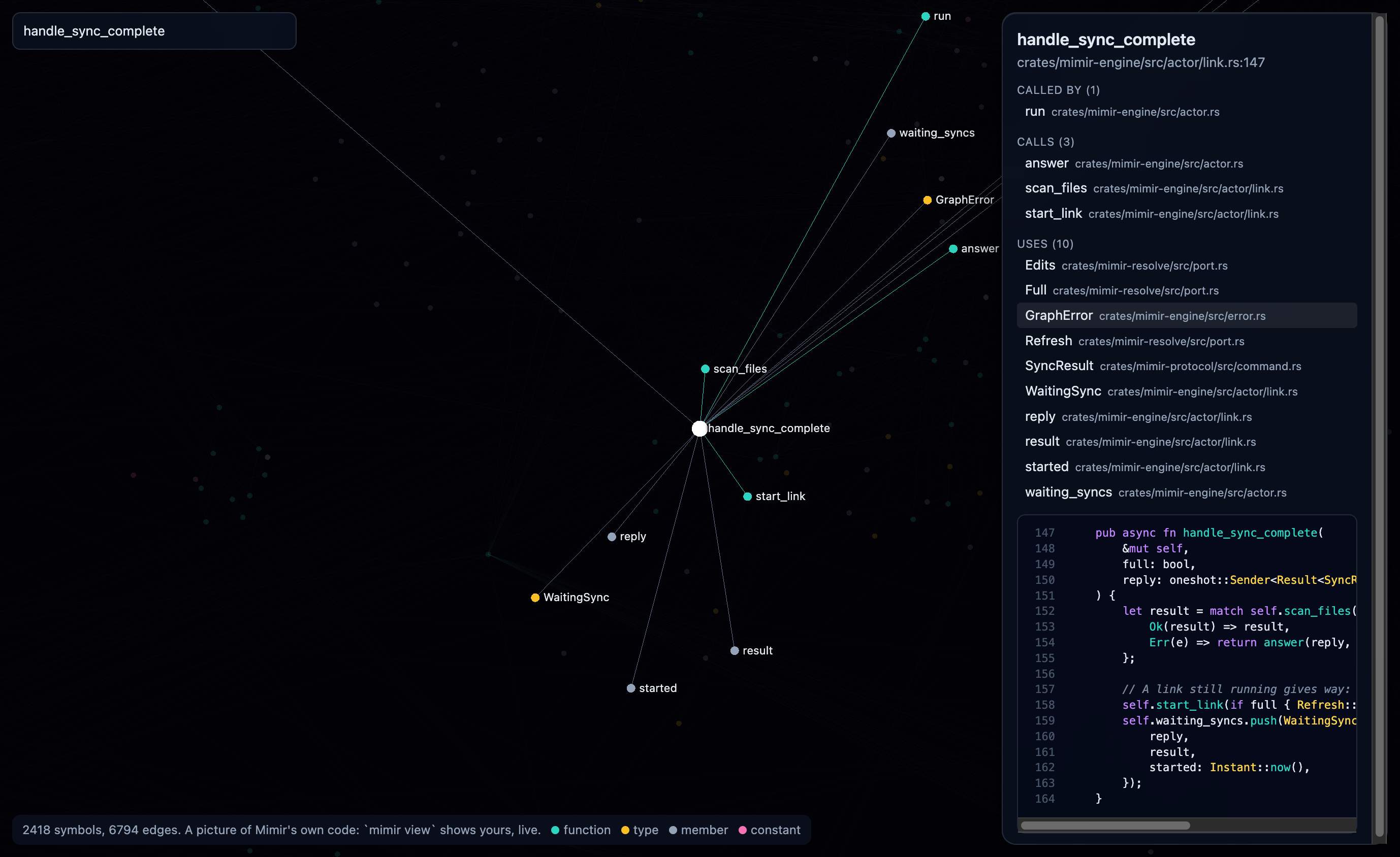
Who calls a function, what it calls, and who uses a type or a field, resolved by the language's compiler or type checker rather than guessed from text.
Overview
The call graph from your compiler or type checker, for humans and coding agents. x.get() links to the get of x's type, because the language's own tools resolve it, where a text search finds every get. A call Lantern Lattice cannot be sure of is left out, never guessed.
It also gives an agent what it needs instead of Grep, Glob, Read, Edit and Write, so the graph stays up to date as the agent works.
Capabilities
- Tech: Rust, rust-analyzer, tsrs, pyrefly, scip-go, gopls, clangd, tree-sitter, MCP, WebAssembly, WebGPU
- Trace: Callers and callees across a project, and the users of a type, trait, variant, field or constant
- Stays current: A daemon keeps the graph and answers at once after an edit, marking what is still being resolved
- Safe edits: By symbol or exact text, written whole or not at all, refused if the file moved on
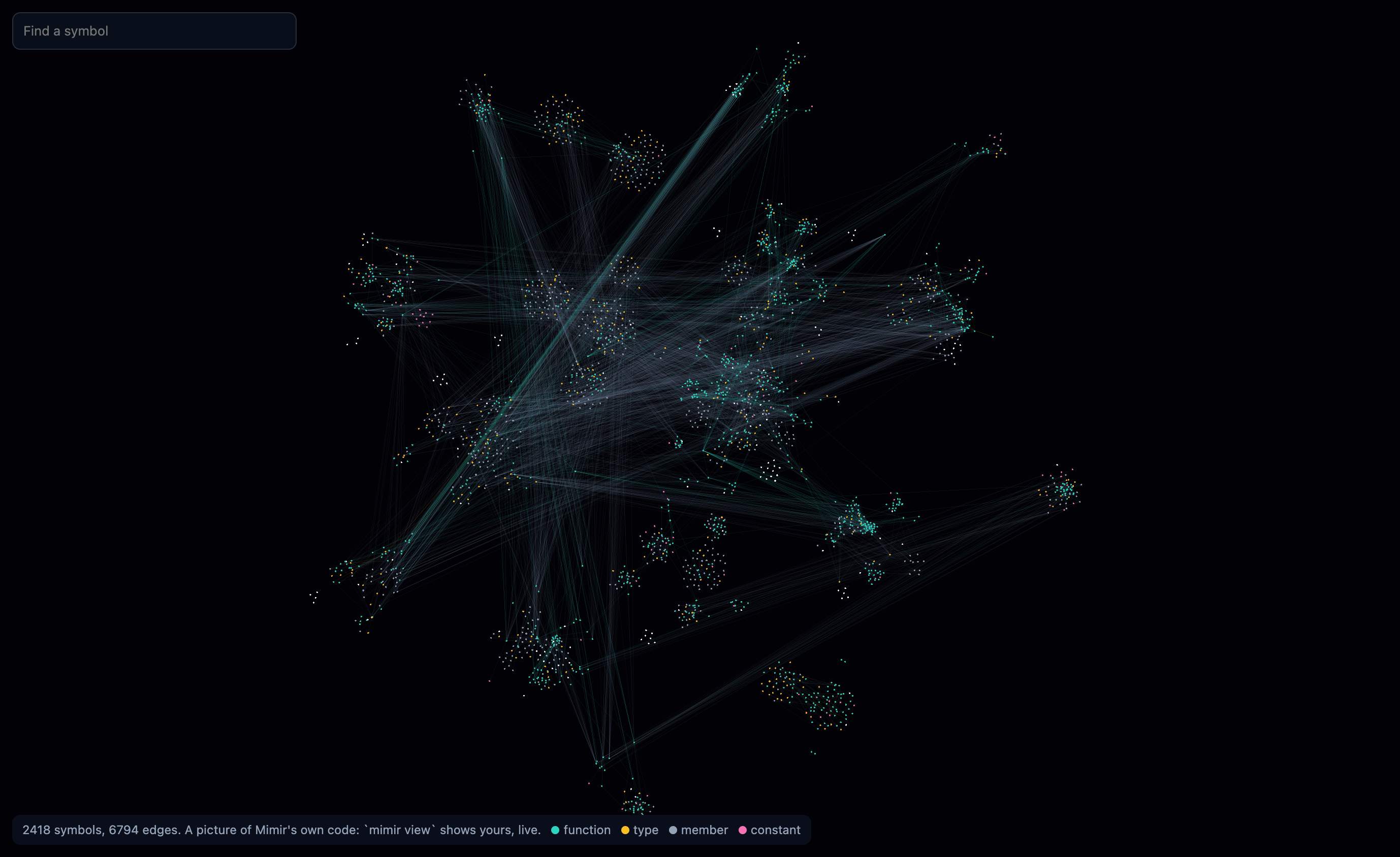
latt view: The whole graph in the browser on the GPU, changing as the code does. What a query or an edit touches lights up as it happens- Interfaces: CLI, MCP server, Claude Code plugin
- Scope: Rust, TypeScript, JavaScript, Python, Go, C and C++, on macOS and Linux
Try it
Look at Lantern Lattice's own code in a browser with WebGPU, or install it and run latt view on your project:
cargo install --git https://github.com/julymetodiev/lantern-lattice lantern-lattice
The graph of Lantern Lattice's own code